The Heart of Vindaloo: Unlocking Authentic Flavor with Vindaloo Paste
For many, the word "vindaloo" immediately conjures images of fiery heat, a dish so intensely spicy it challenges even the most seasoned palates. While vindaloo certainly delivers a thrilling kick, its true essence lies not just in its heat, but in the complex, aromatic, and deeply flavorful base that defines it: the
vindaloo paste. This paste is the soul of the curry, a rich tapestry of spices, aromatics, and vinegar that creates a uniquely tangy, savory, and yes, spicy profile unlike any other. Without a well-crafted vindaloo paste, you simply don't have vindaloo.
Originating from Goa, India, vindaloo is a culinary legacy of the Portuguese colonizers, who brought with them their dish "carne de vinha d'alhos" (meat marinated in wine vinegar and garlic). Over centuries, this concept fused with local Indian spices, transforming into the beloved curry we know today. The "vinha d'alhos" evolved into "vindaloo," and the wine vinegar was replaced by local vinegar, often palm or coconut, combined with a robust array of dried red chilies, cumin, coriander, pepper, and more. Understanding the role of this paste is the first step in mastering the dish itself, as it encapsulates the historical journey and the vibrant flavors of Goan cuisine. It's the ultimate flavor foundation, providing depth, pungency, and the characteristic bright acidity that balances the heat.
Crafting Your Own: The Essential Ingredients for a Superior Vindaloo Paste
Creating an authentic
vindaloo paste from scratch is a rewarding experience that guarantees freshness and allows for customization to your exact preferences. The secret lies in a carefully selected blend of high-quality ingredients, each playing a crucial role in developing the paste's distinctive character.
Here's a breakdown of the core components you'll need:
*
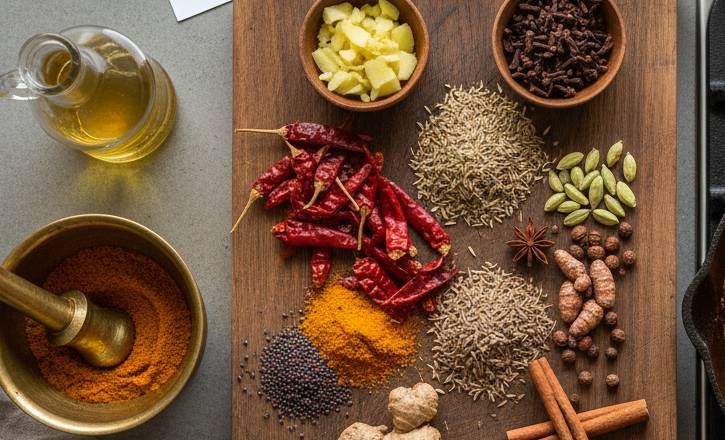
Dried Red Chilies: These are paramount. A mix is often best: Kashmiri chilies provide a beautiful, vibrant red color without excessive heat, while spicier varieties like Byadgi or Guntur chilies contribute the fiery punch. Deseed some if you prefer less heat.
*
Whole Spices: Cumin seeds, coriander seeds, black peppercorns, cloves, green cardamom pods, cinnamon stick, and sometimes mustard seeds are essential. Toasting these whole spices lightly before grinding unlocks their full aromatic potential.
*
Aromatics: Fresh garlic cloves and ginger form the pungent backbone of the paste, providing a robust flavor that complements the spices beautifully.
*
Vinegar: This is the defining ingredient. Traditional Goan vindaloo often uses toddy (palm) vinegar, but malt vinegar, apple cider vinegar, or white wine vinegar can be excellent substitutes. The vinegar not only provides the characteristic tang but also acts as a natural preservative and helps in grinding the paste to a smooth consistency.
*
Turmeric Powder: A small amount adds color and an earthy undertone.
*
Optional Enhancements: A small piece of tamarind paste can deepen the tang, while a touch of jaggery or brown sugar helps to balance the flavors, especially if your chilies or vinegar are particularly intense.
The quality and freshness of your spices directly impact the final flavor of your vindaloo paste. Always opt for whole spices over pre-ground powders where possible, as they retain their volatile oils longer and release more intense aromas when toasted and ground. If you're ready to dive into the art of making your own, check out our detailed guide on
DIY Vindaloo Paste: Spice Up Your Curry Tonight, which provides a step-by-step recipe to get you started.
Mastering the Method: How to Make Perfect Vindaloo Paste
Once you have your ingredients ready, the process of transforming them into a rich, aromatic
vindaloo paste involves a few key steps that, when followed correctly, ensure a superior result.
1.
Prepare the Chilies: If using very dry chilies, it's often beneficial to soak them in hot water for about 20-30 minutes after deseeding (if desired). This softens them, making them easier to grind into a smooth paste and helping to release their color.
2.
Toast the Whole Spices: In a dry pan over medium-low heat, gently toast the whole cumin, coriander, peppercorns, cloves, cardamom, cinnamon, and mustard seeds (if using) until fragrant. This usually takes 1-2 minutes. Be careful not to burn them, as this will result in a bitter taste. Let them cool completely.
3.
Grind the Dry Spices: Transfer the cooled toasted spices to a spice grinder or a clean coffee grinder reserved for spices. Grind them into a fine powder.
4.
Combine and Blend: In a robust blender or food processor, combine the soaked and drained chilies (or dry chilies if not soaking), the ground spice powder, fresh ginger, garlic, turmeric powder, and any optional tamarind or jaggery.
5.
Add Vinegar Gradually: Start adding the vinegar a little at a time, blending until you achieve a thick, smooth, and homogeneous paste. You might not need all the vinegar, or you might need a touch more – the goal is a grindable consistency, not a liquid.
6.
Achieve the Right Consistency: The ideal vindaloo paste should be thick enough to cling to a spoon but smooth enough to coat ingredients evenly. Avoid making it too watery, as this can dilute the flavor. Taste a tiny bit (be careful, it's potent!) and adjust for tang or sweetness if needed.
Making your own paste gives you unparalleled control over the flavor profile, allowing you to fine-tune the heat, tang, and aromatic balance. Remember that the raw paste will taste very different from the cooked curry, as the flavors will mellow and meld during the cooking process.
Beyond the Basics: Tips for Elevating Your Vindaloo
With your perfect
vindaloo paste in hand, you're ready to create an unforgettable curry. However, a few expert tips can take your dish from good to extraordinary.
*
Marination is Key: Vindaloo is traditionally a marinated dish. Coat your chosen protein (pork shoulder, chicken thighs, lamb, or even firm tofu) generously with the homemade vindaloo paste. For best results, allow it to marinate for a minimum of 4 hours, or ideally overnight, in the refrigerator. This allows the complex flavors of the paste, especially the vinegar, to penetrate and tenderize the meat, infusing it with deep flavor.
*
Sauté the Paste Properly: When cooking, don't rush the initial sautéing of the vindaloo paste in oil. Cook it over medium-low heat, stirring frequently, until it darkens slightly, becomes intensely fragrant, and the oil begins to separate from the paste. This process, often called "bhuno" in Indian cooking, is crucial for developing the depth of flavor and cooking out any raw spice notes.
*
Layer Your Flavors: While vindaloo is often celebrated for its simplicity, you can enhance its complexity. After sautéing the paste, you might add thinly sliced onions and cook them until caramelized before adding your marinated meat. A small amount of finely chopped tomatoes can also be introduced for added body and acidity, though traditional Goan vindaloo often has a thinner, less tomato-heavy gravy.
*
Adjusting Heat and Tang: For more heat, you can add a few slit green chilies during cooking. If the final dish tastes too sour, a pinch of sugar or jaggery can mellow it out. Conversely, a splash more vinegar at the end can brighten a dish that feels a little flat. Remember, balance is everything.
*
Let it Rest: Like many stews and curries, vindaloo often tastes even better the next day. The flavors continue to meld and deepen, resulting in a more harmonious and satisfying dish.
Choosing and Storing Vindaloo Paste: A Practical Guide
While making your own
vindaloo paste offers the freshest and most customizable experience, there are times when convenience calls for a store-bought option. Knowing what to look for and how to store your paste correctly can ensure you always have authentic flavor at your fingertips.
When purchasing vindaloo paste, always scrutinize the ingredient list. Look for brands that use whole, natural spices, vinegar, garlic, ginger, and chilies, avoiding those with artificial colors, flavors, or excessive preservatives. A good quality paste should have a vibrant color and a pungent, aromatic smell even before cooking. For help navigating the options, read our guide on
Choosing the Best Vindaloo Paste for Authentic Taste.
For storage, whether homemade or store-bought, an airtight container is paramount.
*
Refrigeration: Homemade vindaloo paste, due to its vinegar content, can last for a week or two in the refrigerator. Store-bought pastes usually have a longer shelf life as indicated on the packaging, often due to added preservatives. Always ensure your container is sealed tightly to prevent oxidation and absorption of other fridge odors.
*
Freezing: For longer storage, homemade vindaloo paste freezes beautifully. Portion it into ice cube trays or small freezer-safe bags, and once solid, transfer to a larger freezer bag. This way, you can easily grab just the amount you need for a single meal. Frozen paste can last for several months without significant loss of flavor. Thaw overnight in the refrigerator or directly add to your cooking pot.
Always use clean utensils when scooping out paste from a jar to prevent contamination and extend its shelf life. Proper storage ensures that the vibrant flavors you've painstakingly created (or carefully selected) remain intact until you're ready to transform them into a magnificent vindaloo curry.
Conclusion: Embrace the Flavor Journey of Vindaloo Paste
The journey to crafting a truly authentic and delicious vindaloo begins and ends with its foundational element: the
vindaloo paste. More than just a collection of spices, it's a testament to culinary fusion, a vibrant blend of history, culture, and irresistible flavor. Whether you choose to meticulously grind your own spice blend or select a high-quality store-bought option, understanding the ingredients, preparation methods, and nuances of this essential paste is key to unlocking the true essence of this iconic Goan dish. So, embrace the rich aromas, the tantalizing tang, and the thrilling heat. With the perfect vindaloo paste in hand, you're not just cooking a meal; you're embarking on a flavor journey that promises a truly unforgettable culinary experience.