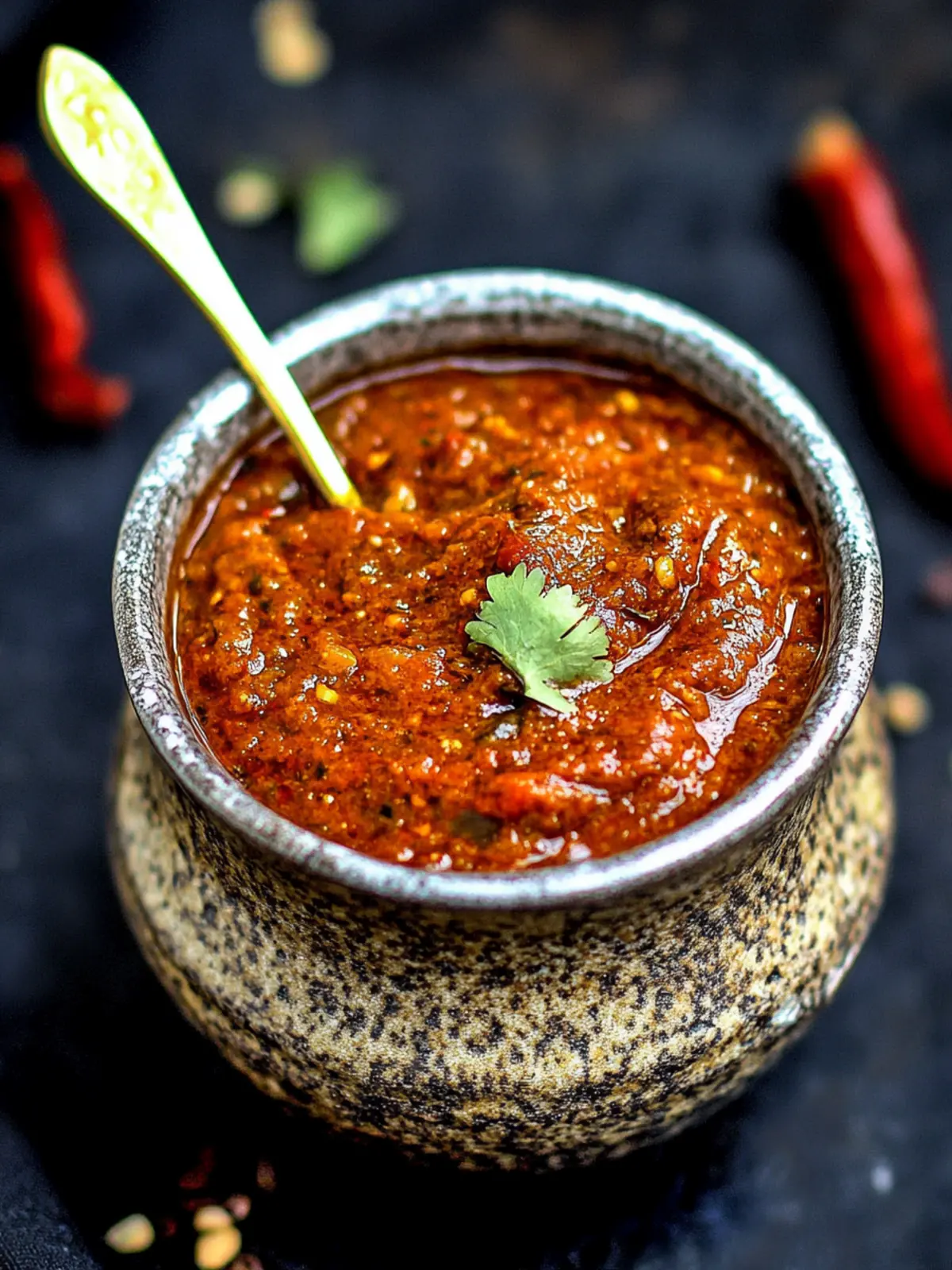
DIY Vindaloo Paste: Spice Up Your Curry Tonight with Authentic Flavors
There's a certain magic that happens when you create something delicious from scratch, and when it comes to the fiery, tangy, and deeply aromatic world of Indian cuisine, making your own vindaloo paste is a game-changer. Forget the jarred, often bland, approximations found in supermarkets. Crafting your own vindaloo paste not only guarantees unparalleled freshness and flavor but also allows you to customize the heat and tang to your exact preferences. Originating from Goa, India, a region heavily influenced by Portuguese culinary traditions, Vindaloo is a dish synonymous with bold spices and a distinctive vinegar kick. The very name "Vindaloo" is derived from the Portuguese "vinho de alho," meaning "wine vinegar and garlic," hinting at its core components. Today, we're going to dive deep into making an authentic, vibrant vindaloo paste that will transform your curry night into an extraordinary culinary adventure.
Why Homemade Vindaloo Paste Trumps Store-Bought
The decision to make your own vindaloo paste is more than just a culinary preference; it's a commitment to superior taste, quality, and health. Here’s why going DIY is always the better option:
- Unrivaled Freshness: Store-bought pastes, by nature, sit on shelves for extended periods, often losing the vibrant volatile oils that give spices their potent aroma and flavor. When you grind your own whole spices and fresh aromatics, the difference is immediate and profound. The moment those toasted spices hit your grinder, their fragrance alone tells a story of freshness that a pre-made jar simply cannot replicate.
- Control Over Ingredients: Ever read the ingredient list on a jarred paste and seen things like "vegetable oil," "sugar," "colorings," or "preservatives"? With homemade vindaloo paste, you dictate every single component. This means choosing organic spices, fresh ginger and garlic, and high-quality vinegar, ensuring a healthier and more authentic end product free from unwanted additives.
- Customizable Heat and Flavor Profile: Do you like your vindaloo searingly hot, or do you prefer a milder warmth that allows the other spices to shine? Homemade paste puts you in the driver's seat. You can adjust the quantity and type of chillies (Kashmiri for color, Byadgi for moderate heat, Guntur or Naga for extreme spice), balance the tanginess with more or less vinegar, or even tweak the sweetness with a hint of jaggery or sugar.
- Cost-Effectiveness: While the initial investment in a range of whole spices might seem like a lot, in the long run, making your own paste is often more economical than repeatedly buying small jars of processed pastes. Plus, you’ll have a well-stocked spice cabinet ready for many other culinary explorations.
- The Joy of Creation: There’s immense satisfaction in preparing a dish from its most fundamental components. The aroma filling your kitchen as you toast and grind spices is an experience in itself, promising a delicious reward that store-bought convenience can never deliver.
The Essential Ingredients for Your Authentic Vindaloo Paste
Crafting the perfect vindaloo paste requires a harmonious blend of dry roasted whole spices and fresh aromatics, bound together with the essential tang of vinegar. Here’s a breakdown of what you’ll need:
Dry Whole Spices (to be dry roasted and ground):
- Dried Red Chillies: This is where the heat and signature red color come from. A combination is best:
- Kashmiri Chillies: Primarily for their vibrant red color and mild heat.
- Byadgi or Guntur Chillies: For medium to high heat. Adjust quantity based on your preference. For an extra kick, a couple of Bird's Eye chillies can be added.
- Coriander Seeds: The backbone of many Indian curries, providing a warm, citrusy, and slightly sweet note.
- Cumin Seeds: Earthy, warm, and distinctive.
- Black Peppercorns: Adds a pungent heat and depth of flavor.
- Cloves: Sweet, aromatic, and intense.
- Green Cardamom Pods: Fragrant, floral, and subtly sweet.
- Cinnamon Stick: Warm, woody, and sweet.
- Mustard Seeds (black or brown): Adds a pungent, sharp bite.
- Fenugreek Seeds: Slightly bitter, earthy, and nutty. Use sparingly as too much can overpower.
- Turmeric Powder: Though often added later, a pinch of turmeric powder can be included with the dry spices for color and earthy notes.
Fresh Aromatics and Wet Ingredients:
- Fresh Ginger: Peeled and roughly chopped.
- Garlic: Peeled fresh cloves. Vindaloo is known for its generous use of garlic.
- Vinegar: This is crucial for the authentic tang and also acts as a preservative. Traditional Goan coconut vinegar is ideal, but apple cider vinegar or white wine vinegar are excellent substitutes.
- Water: To help with blending and achieve the right paste consistency.
- Tamarind Paste (optional): A small amount can add an extra layer of sourness and depth.
- Jaggery or Sugar (optional): A pinch to balance the acidity and heat, especially if your vinegar is very sharp.
Step-by-Step Guide to Crafting Your Perfect Vindaloo Paste
Making your own vindaloo paste is a straightforward process that rewards you with incredible flavor. Follow these steps for success:
1. Dry Roasting the Whole Spices
This crucial step awakens the flavors and aromas of your spices.
- Heat a dry, heavy-bottomed pan or skillet over medium-low heat.
- Add the dried red chillies first. Toast them for 1-2 minutes until they become fragrant and slightly change color. Be careful not to burn them, as this will make the paste bitter. Remove and set aside.
- Add the coriander seeds, cumin seeds, black peppercorns, cloves, cardamom pods, cinnamon stick, mustard seeds, and fenugreek seeds to the pan.
- Gently toast for 3-5 minutes, stirring continuously, until they release their aromatic oils and become fragrant. The mustard seeds might start to pop slightly.
- Remove all toasted spices from the pan immediately and spread them on a plate to cool completely. This prevents them from over-toasting.
2. Grinding to a Fine Powder
Once cooled, the roasted spices are ready for grinding.
- Transfer the cooled, dry roasted spices to a clean spice grinder or coffee grinder (dedicated to spices).
- Grind them into a fine powder. If you're using a mortar and pestle, this will require more effort but can yield an even more aromatic result.
- Set the spice powder aside.
3. Preparing the Wet Ingredients
The aromatics and vinegar form the wet base of your paste.
- Peel and roughly chop the ginger.
- Peel the garlic cloves.
- Measure out your vinegar.
4. Blending for the Ultimate Paste
Now, it's time to bring all the elements together to create your vibrant vindaloo paste.
- In a powerful blender or food processor, combine the ground spice powder, fresh ginger, garlic, vinegar, and turmeric powder (if using).
- Add a small amount of water (start with 2-3 tablespoons) to help the blending process. If using tamarind or jaggery, add them now.
- Blend until you achieve a smooth, thick paste. You may need to stop, scrape down the sides, and add a little more water (a tablespoon at a time) or vinegar if the paste is too thick to blend properly. The consistency should be spreadable but not watery.
5. Storage Tips
Once your fresh vindaloo paste is ready, proper storage is key to maintaining its flavor.
- Refrigeration: Transfer the paste to an airtight glass jar. It will keep well in the refrigerator for up to 1-2 weeks.
- Freezing: For longer storage, freeze the paste. You can portion it into ice cube trays for convenient single-use servings. Once frozen, transfer the cubes to a freezer-safe bag or container. It will last for several months in the freezer.
Tips for Elevating Your Vindaloo Paste (and Curry!)
Now that you've mastered the art of making your own vindaloo paste, here are some tips to ensure your curry reaches its full potential:
- Taste and Adjust: Before adding it to your main dish, taste a tiny bit of the paste. Does it need more tang? A touch more heat? A pinch of sugar to balance? Adjust accordingly.
- Marination is Key: For meat vindaloo (pork or chicken are classic), marinate your protein in the vindaloo paste for at least 2-4 hours, or ideally, overnight in the refrigerator. This allows the flavors to deeply penetrate the meat.
- Bloomin' the Paste: When cooking your curry, always sauté the vindaloo paste in a little oil (coconut oil or ghee is excellent) for 5-10 minutes over medium-low heat until it darkens slightly and the oil separates. This process, known as "blooming," deepens the flavor of the spices and removes any raw taste.
- Low and Slow Cooking: Vindaloo benefits from slow cooking. After adding your marinated protein and any liquid (water, stock, or more vinegar), simmer the curry gently until the meat is tender and the flavors have fully melded.
- Don't Forget Fresh Garnishes: A sprinkle of fresh coriander leaves before serving adds a wonderful burst of freshness and color, contrasting beautifully with the rich curry.
For a deeper dive into mastering the nuances of this iconic flavor profile, be sure to check out Unlock Vindaloo Flavor: Your Guide to Perfect Paste, which offers invaluable insights into perfecting your homemade creation. While homemade is undoubtedly superior, if you're ever in a pinch and need to choose wisely, our guide on Choosing the Best Vindaloo Paste for Authentic Taste can help you navigate store-bought options.
Making your own vindaloo paste is more than just a recipe; it's an experience that connects you with the vibrant culinary heritage of Goa. The effort invested in grinding fresh spices and blending aromatic ingredients translates into a curry that is bursting with authentic, layered flavors – far beyond what any jarred alternative can offer. So, roll up your sleeves, embrace the aromatic journey, and prepare to spice up your curry night with a homemade vindaloo paste that will impress even the most discerning palates. Your taste buds, and your guests, will thank you.
